Product Overview
An Apollo elevator emergency rescue device is the standby unit that keeps a lift usable when the building loses power. When the power returns it hands the lift back to its own controller and goes back to watching. The code on the end of the model name is the whole selection story — cabinet size, internal board and battery set are matched to the drive the unit has to move, so an order is built around the number on the label of the unit already installed rather than around the cabinet's footprint.
Every unit is brand new and original from Apollo, an elevator spare parts manufacturer. Nothing here is refurbished, re-cased or a pattern copy, and that matters on a device whose only job is to work on the day nobody expects to need it.
Buyers who know this category file it with the elevator replacement parts they keep for emergencies rather than with routine consumables.
We supply it worldwide as an elevator parts supplier to maintenance contractors, distributors and installation crews working on mixed-brand equipment, and each unit leaves here matched to the code on the order.
Power-Outage Rescue Sequence
- Supply lost. The unit registers the mains failure and stops the lift from accepting new calls, so the car does not begin a trip it cannot finish.
- Drive taken over. Control passes from the lift controller to the elevator emergency rescue device, which energises the machine from its standby battery set.
- Brake released under control. The machine brake is opened smoothly rather than dropped, and the car starts to move at leveling speed.
- Travel to the nearest landing. The car is driven to the closest floor rather than sent to a designated rescue floor, which keeps the run as short as it can be.
- Stop level with the sill. The car is brought level with the landing before anything else happens; that alignment is what lets passengers walk out rather than be helped out.
- Doors opened. The doors release and the car is held at the landing, so the exit is not a race against a closing door.
- Handover. Once the building supply returns, the unit gives the lift back to its controller, returns to standby and the battery set is brought back up.
Key Features
- Automatic takeover — When the incoming supply fails, the unit switches the lift onto its own standby feed and begins the release on its own. Nobody has to be in the building, and no key has to be turned at the controller.
- Built to sit idle — This is a purpose-made elevator rescue device, not a modified drive or an add-on board. It waits for months at a time and is expected to work on the first call.
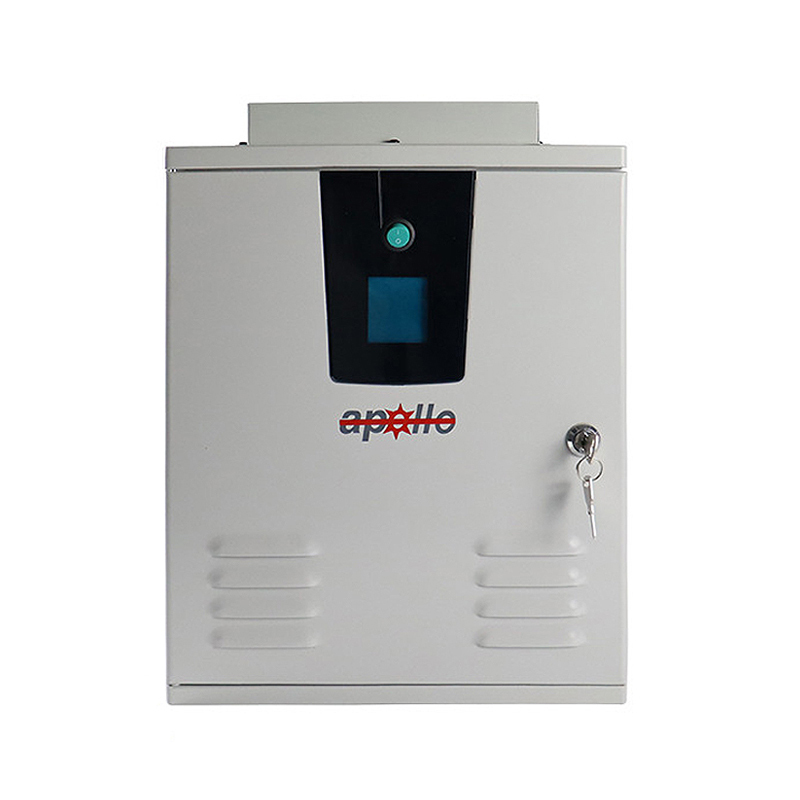
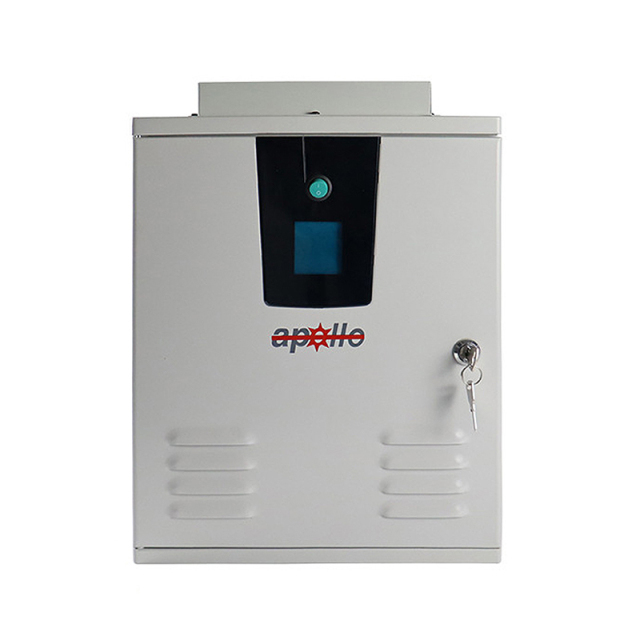
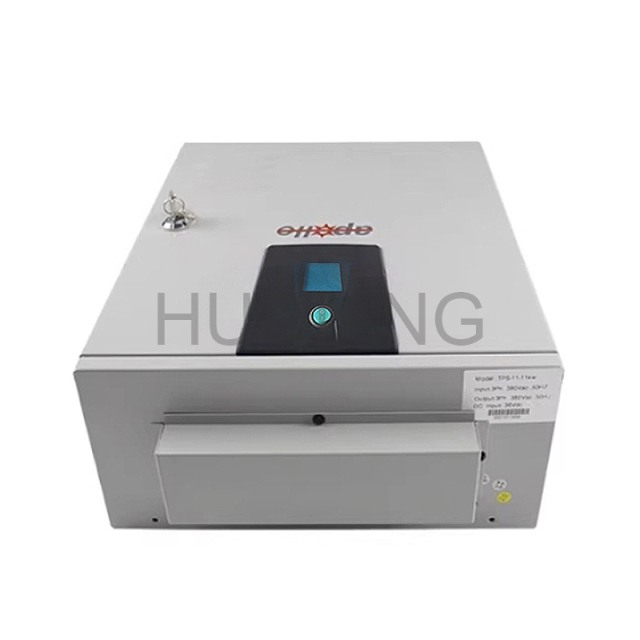
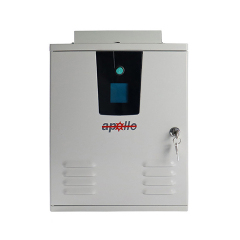
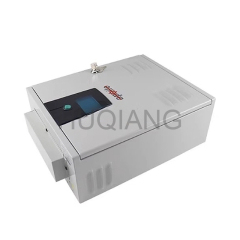
- Status readable at the door — A display and a green indicator on the front panel show the unit's state before the cabinet is unlocked, which shortens fault-finding on a call-out.
- Model-matched across the range — The TPS codes cover small residential builds through to larger drives, so very different buildings can run the same device family sourced from one elevator parts supplier.
Model Range & Matching
The ARD elevator family has eight build sizes, from TPS-11 to TPS-100. What changes between them is not cosmetic: the larger the code, the bigger and heavier the cabinet, and the more drive the unit is built to move. Towards the top of the range, plan the wall space and a second pair of hands before the delivery day.
Start with what is already on site — the first thing any elevator spare parts manufacturer checks. The code is printed on the rating label on the side of the cabinet, repeated inside the door, and it appears again in the handover documents and the controller drawings. Photograph that label before anything is disconnected — it is the one record that settles the order.
If the label has faded, or the lift never had an elevator rescue device, work from the other direction: controller make and model, the machine data plate with its rated load, speed and roping, and a photograph of the machine-room wall will usually narrow the choice to one or two codes. A building modernised in stages can carry two generations of the same controller, so match to what is in the machine room today, not to the original specification.
Buying in the role of an elevator parts manufacturer and fitting the device at the panel stage? The code has to follow the drive you are assembling, and the same rule holds when you rebuild a controller for an existing building — the rescue unit travels with the drive rating, not with the cabinet size.
Two points are worth repeating. As with any elevator replacement parts order, the codes are not interchangeable: a unit built for one rating is not a drop-in for another, and two cabinets that look alike are not the same unit. And quote the code exactly as it appears, TPS prefix included, when the order goes in.
Applications
- Residential blocks with older controllers — the case that fills most order books: a power cut strands a car between floors and nobody on site can release it. A leveling unit turns a two-hour call-out into a self-release.
- Hotels and serviced buildings — a guest stuck in a car is a complaint the front desk cannot manage, and an unattended release puts them on the landing without staff intervention.
- Hospitals, clinics and care homes — where a stranded passenger may not be able to wait, and where the lift has to keep working through a short outage.
- Goods and service lifts — a porter or attendant can recover the car and finish the delivery instead of waiting for a breakdown visit.
- Modernisation and retrofit work — controllers built before rescue devices became normal can be given the capability without replacing the whole control system, once the drive and the controller have been checked and your elevator parts supplier has confirmed the code.
- Panel builders and repair benches — teams working as an elevator spare parts manufacturer fit the unit at the panel stage, where the code can be matched to the drive before the controller leaves the workshop.
- Mixed-brand maintenance routes — a workshop that already carries Otis elevator parts across several controller families can add the rescue device to the same order instead of opening a second supplier for one item.
- Door-side maintenance rounds — where the visit already covers operators, light curtains and elevator door wire rope, the rescue device is the piece that keeps the same lift usable when power is what failed.
Specifications
| Parameter | Detail |
|---|
| Feature | Brand New.Original |
| Brand Name | Apollo |
| Type | Elevator Parts |
| Product Name | Elevator Emergency Rescue Device |
| Model Number | ARD TPS-11 15 25 30 39 45 45 60 100 |
| Family | ARD elevator series with TPS model codes |
| Function | Emergency rescue and leveling during a power outage |
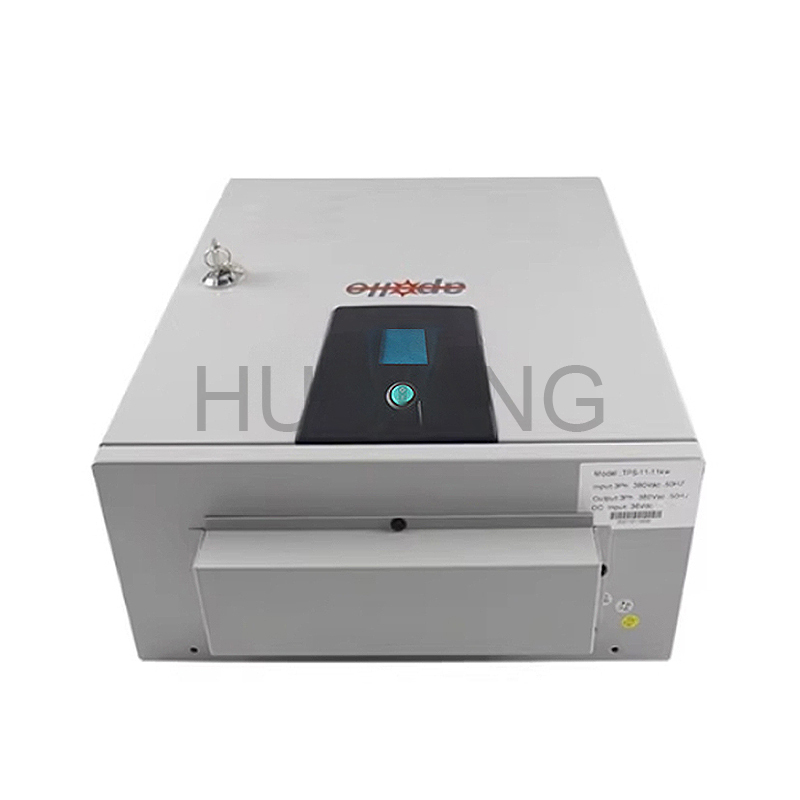
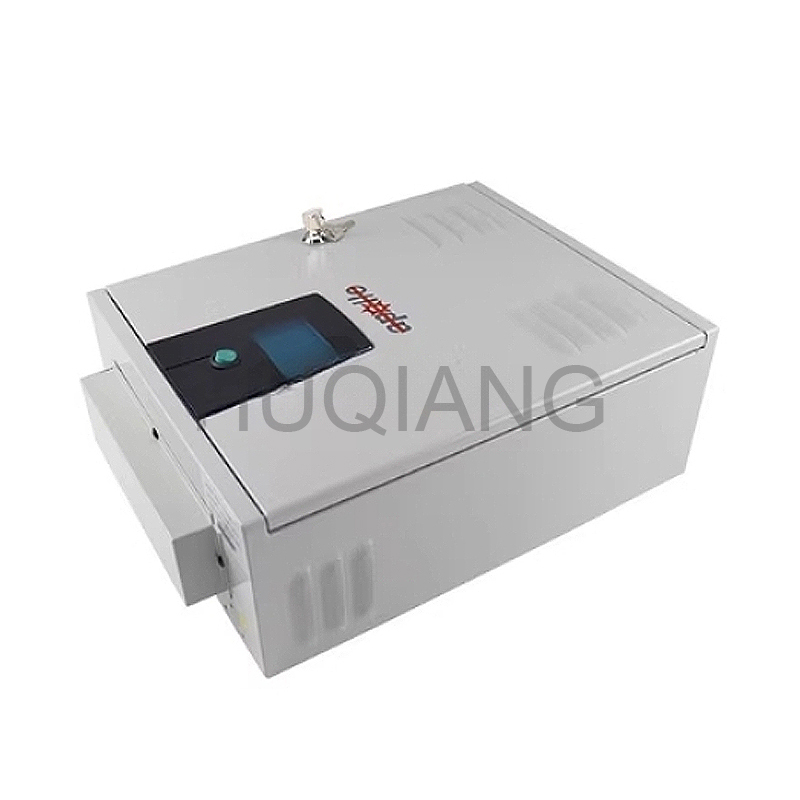
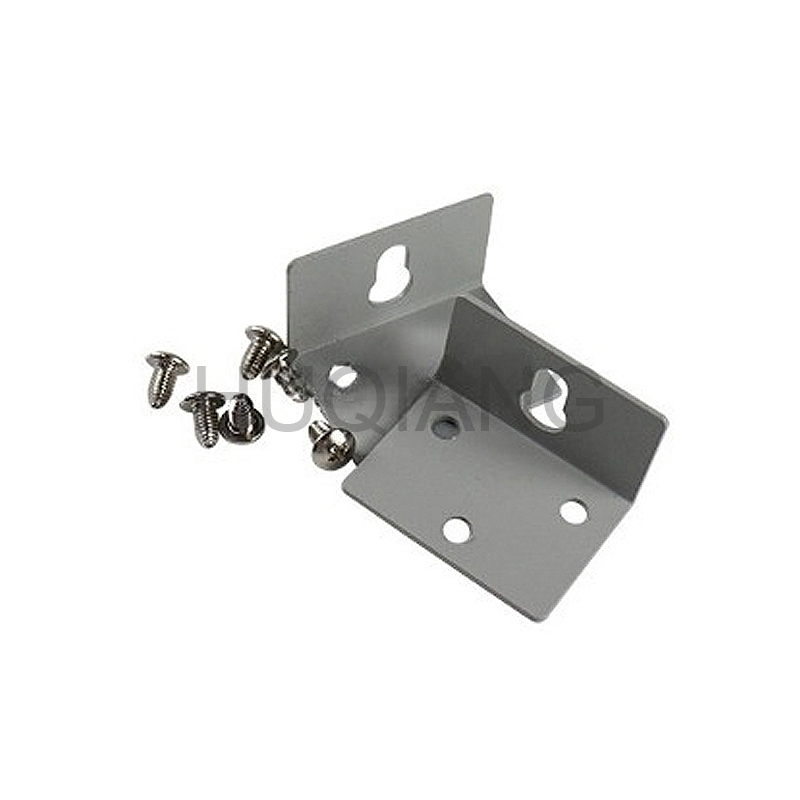
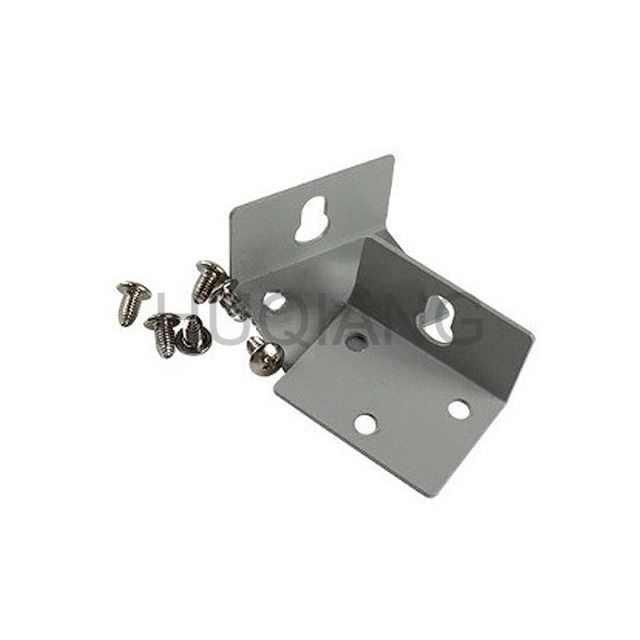
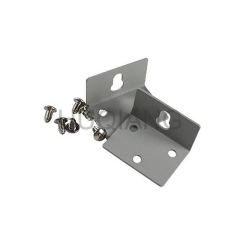
| Mounting | Wall mounting, top flange plus L-shaped bracket and screws |
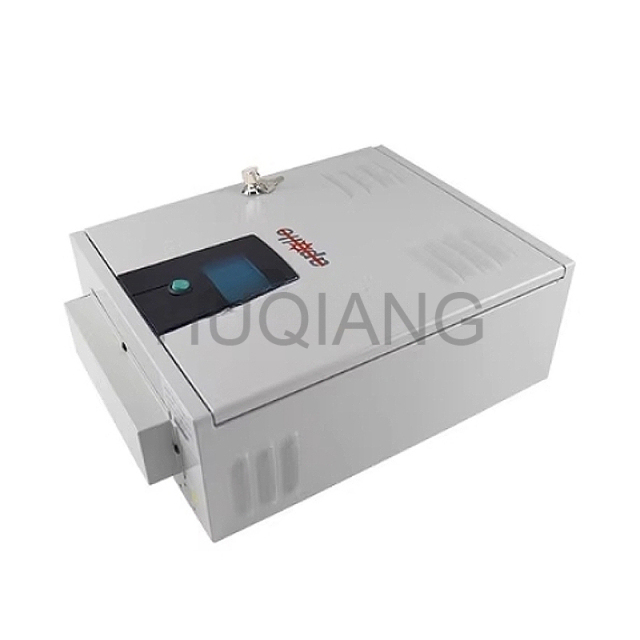
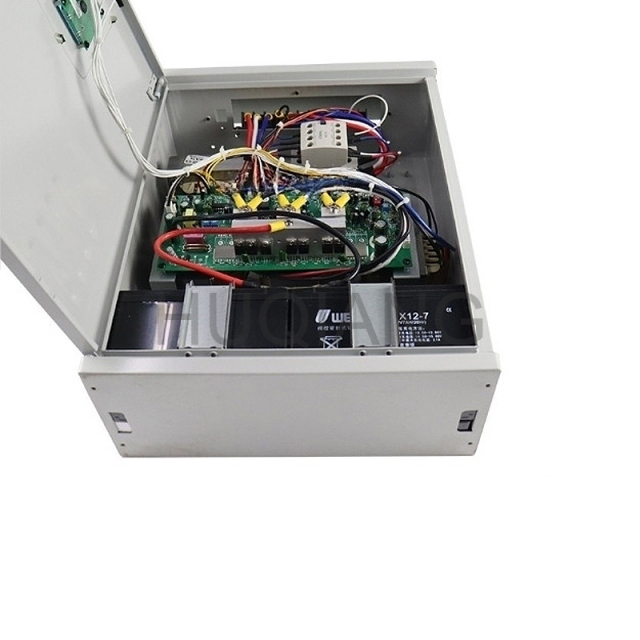
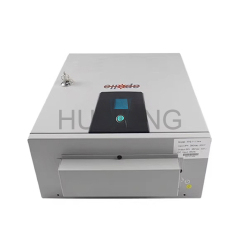
| Enclosure | Light grey sheet-metal cabinet, key-locked door, ventilation louvers |
| Front Panel | Display with green indicator button |
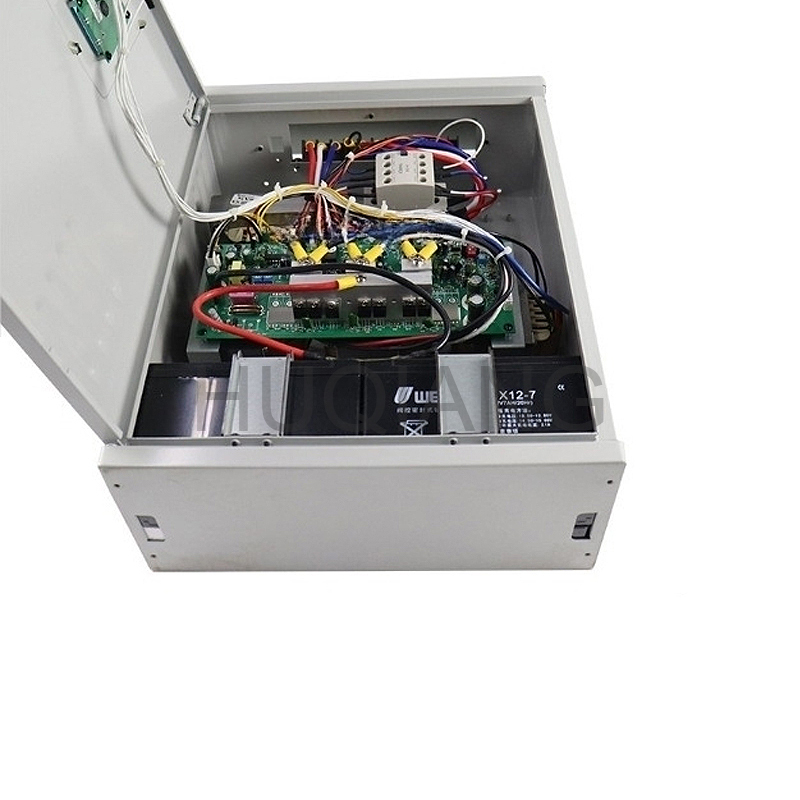
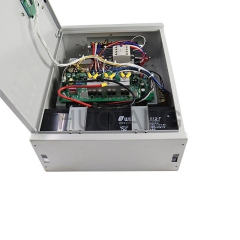
| Interior | Control board, terminal blocks, wiring bundle, standby battery set |
| Typical Installation | Passenger and goods lifts with a matching controller |
Mounting, Wiring & First Test
- Choose the position. A machine-room wall within cable reach of the controller, with the door able to swing fully open and the louvres clear. Damp walls, standing water and direct spray are the wrong location for this cabinet.
- Mark and drill for the bracket. The L-shaped bracket and its screw set come with the unit; set the bracket first, then lift the cabinet onto it.
- Hang and level the cabinet. The top flange carries the weight once the cabinet sits on the bracket, so check it is square before any cable is pulled in.
- Open the door and check access. Leave enough room in front of the control board to reach the terminals with a meter probe, and keep the interior free of cable slack and dust.
- Wire in. Incoming supply in, output to the lift controller and the brake circuit, following the documentation for that specific model. Commissioning belongs to a qualified electrician.
- Run a simulated failure with the car empty. Watch the whole sequence from the landing: takeover, travel, level stop and door release. If anything is slow or stops short, investigate before the building goes back into service.
- Log it and hand over the key. Record the date, the model code and what the car did, then leave the cabinet key with the machine-room keys so the next person to open the door is not guessing.
- Repeat the same check at each maintenance visit. While the door is open, look at the battery terminals for corrosion and clear the louvres. A standby device that is never tested is one nobody can vouch for.
Ordering & Delivery
| Term | Detail |
| Minimum order | 1 pc |
| Payment terms | T/T, L/C, VISA, Mastercard, E-checking, Paypal |
| Delivery | 1-3 Working Days |
| Transportation | DHL/TNT/FEDEX/UPS |
| Packing | Carton or wooden case |
| Warranty | One year |
| Order basis | TPS code taken from the label on the installed unit |
| Variant check | Code matched against your drive before dispatch |
| Mixed orders | Several codes can travel together in one shipment |
| Stock lead time | Confirmed for codes not held in stock |
| Shipping documents | Commercial invoice and packing list for customs |
| Tracking | Sent once the parcel leaves our warehouse |
| Duties and taxes | Payable by the consignee at destination |
| Warranty claims | Quote the model code and describe the fault |
Technical Support & Model Matching
We match it against the brands and series we supply, point out the suffixes and revisions that will not interchange, and confirm by email before dispatch. After delivery our team stays reachable for fault-finding and practical guidance on fitting the part you ordered. Every item we ship carries a one-year warranty.
FAQ
Does the rescue device change how the lift runs day to day?
No. In normal service the lift runs from the building supply exactly as before, and the unit sits in standby watching that supply. It does not alter the ride, the door timing or the controller's own diagnostics; it only takes over when the supply is lost, and it hands control back once power returns.
What supply does the unit need?
That depends on the model, and the figures are printed on the rating label on the side of the cabinet — input and output are given for the exact unit you receive. Check that label against the supply on site before wiring, rather than carrying the numbers over from another installation.
Is the unit tied to one elevator brand?
It is an Apollo unit and is matched by its own TPS code, so it is not tied to any single elevator brand. Our counter also supplies Otis elevator spare parts for mixed-brand maintenance routes, but the rescue device itself is selected from Apollo's own range by the code, not by the maker of the lift.
What is the difference between the ARD and TPS references?
ARD is the product family; TPS is the model code that identifies the build size within it. When you order or ask about a unit, quote the TPS code — that is what decides the cabinet, the board and the battery set that come with it.
What happens if the car cannot complete the rescue run?
The unit stops rather than forcing the machine, and the building's own entrapment procedure takes over from there. That is exactly why the simulated test at commissioning and the repeat check at each maintenance visit matter — they are the only chance to catch a problem before a real outage does.